It is normal that, for older professionals, it takes some work to tie up their projects with new information modelling technologies for construction.
It is natural that recent university graduates are frustrated by the fact that they feel CAD is obsolete. This is not entirely true, because it has been proven that both models can be linked, provided that root protocol aspects are respected.
The shift from Computer Aided Design (CAD) to Building Information Modeling (BIM) represents a significant transformation in the construction and architecture industry. This process not only involves the adoption of new tools and technologies, but also a change in mentality and work processes. The following are key steps and strategies to facilitate this transition in a smooth and effective way.
Understanding the fundamental differences
Before starting the transition, it is crucial to understand the differences between CAD and BIM. CAD focuses on creating two-dimensional (2D) and three-dimensional (3D) drawingsThe BIM model goes further by incorporating detailed information about each building component into a three-dimensional model. BIM enables better coordination, collaboration and project management throughout their life cycle, from design to construction and maintenance.
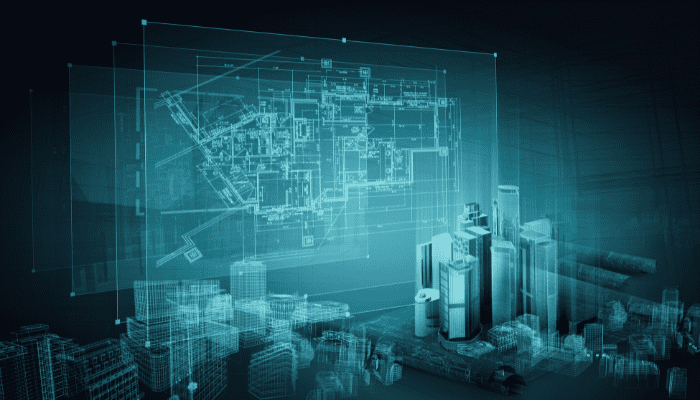
Assessing the needs and objectives of the company
Each company has specific needs and objectives. Before adopting BIM, it is important to make a detailed assessment of how such software can benefit the organization. Identifying the projects where the modeling system usually offers the greatest advantages and setting clear goals for implementation will help focus efforts and resources.
Formation and training
The transition to BIM requires staff to acquire new skills. Training and education are essential to ensure that teams are prepared to use new tools and technologies effectively. Offering training courses, workshops and online learning resources can facilitate the process. It is advisable to start with a small group of users and then expand the training to the rest of the team.
Selecting the right software
There are several BIM software programs on the market, such as Autodesk Revit, ArchiCAD, and Bentley Systems. The choice of the right software will depend on the specific needs of the company and the types of projects it handles. It is important to do thorough research and, if possible, test different options before making a decision. But not only the software itself, but also companies that handle this kind of modeling with great precision, The Commission has already taken a number of initiatives to improve the quality of training and to develop new forms of work organization. In addition, considering the software’s compatibility with existing tools and ease of integration is crucial for a smooth transition.