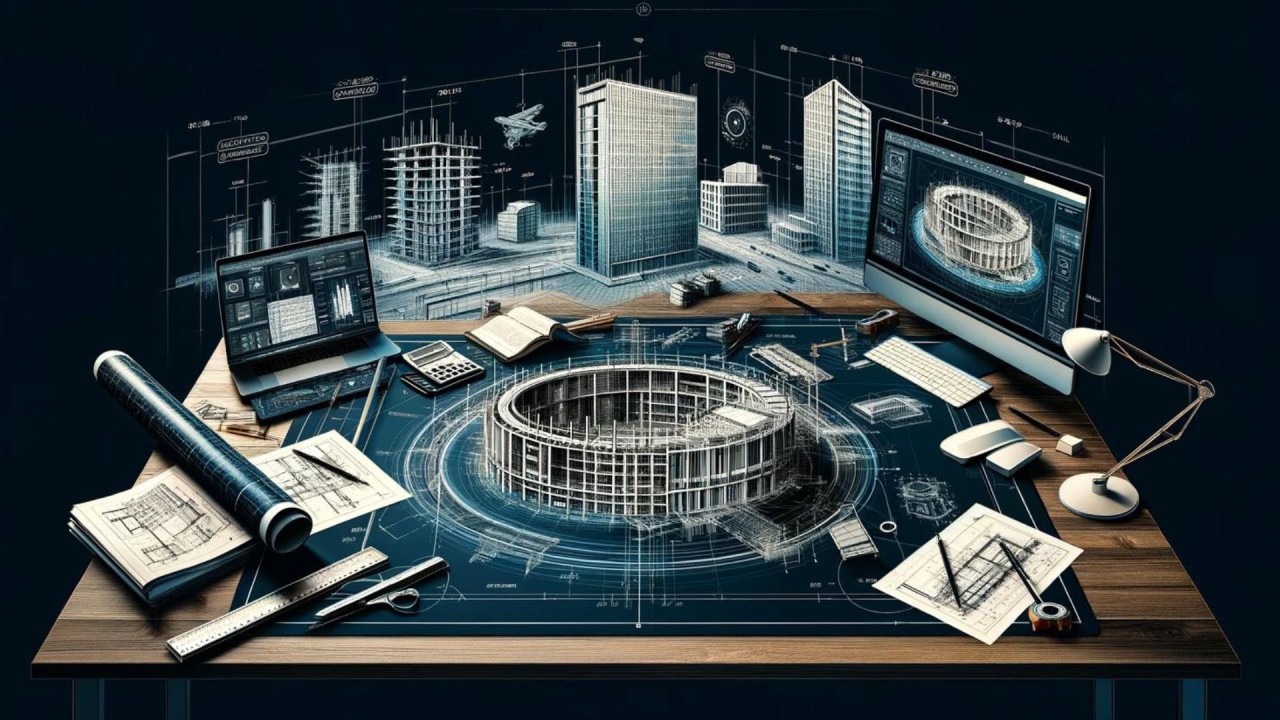
It is normal that, for older professionals, it takes some work to tie up their projects with new information modelling technologies for construction.
Perhaps one of the most relevant aspects for the transience of a software from assisted design to modeling, are the long-term benefits. In other words, this transition will be worthwhile because it will make sense to see the efficiency, precision and sustainability of construction projects that has never been seen before, from the beginning or even in buildings already materialized.
Planning and implementation in phases
Implementing BIM gradually can be more effective than doing it all at once. A phased approach allows the company to adapt and solve problems incrementally. For example, starting with a small pilot project often provides valuable practical experience that is applied to larger projects in the future. Detailed planning and clear allocation of responsibilities are also essential for a successful transition.
Change management and communication
The adoption of BIM implies not only a technological change, but also a cultural change in the organization. Change management is crucial to addressing resistance and ensuring acceptance of the programme by all involved. Establishing open and continuous communication about the benefits, challenges and progress of implementation will help keep all team members informed and engaged.
Integration with existing processes
For a smooth transition, it is important to integrate BIM with existing processes and workflows rather than completely replace them. Identifying how such software can improve and complement current processes often facilitates adoption. In addition, developing new specific internal standards and procedures for the use of the system will ensure consistency and efficiency in its application.
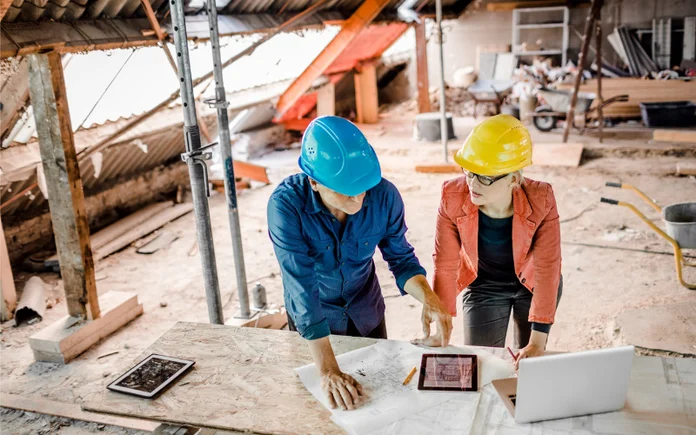
Monitoring and continuous evaluation
The implementation of BIM should be a dynamic and adaptable process. Monitoring and evaluating the use of the system continuously allows to identify areas for improvement and make adjustments as necessary. Collecting user feedback and performing periodic reviews will help to optimize processes and maximize the benefits of the modeling program.
Collaboration and coordination
One of the greatest benefits of BIM is the improvement of collaboration and coordination between different teams and disciplines involved in a project. Fostering a culture of collaboration and using online collaboration tools will improve communication by reducing errors and rework. The creation of a collaborative working environment where all stakeholders can access and contribute to the BIM model in real time, is key to the success of the project.
Long term benefits
Adopting BIM not only offers short-term advantages, but also long-term benefits. Improvements in efficiency, accuracy and data management can lead to reduced costs and shorter lead times. In addition, the use of modeling software facilitates the management of the entire life cycle of the building, from initial design to demolition, resulting in greater sustainability and long-term value.